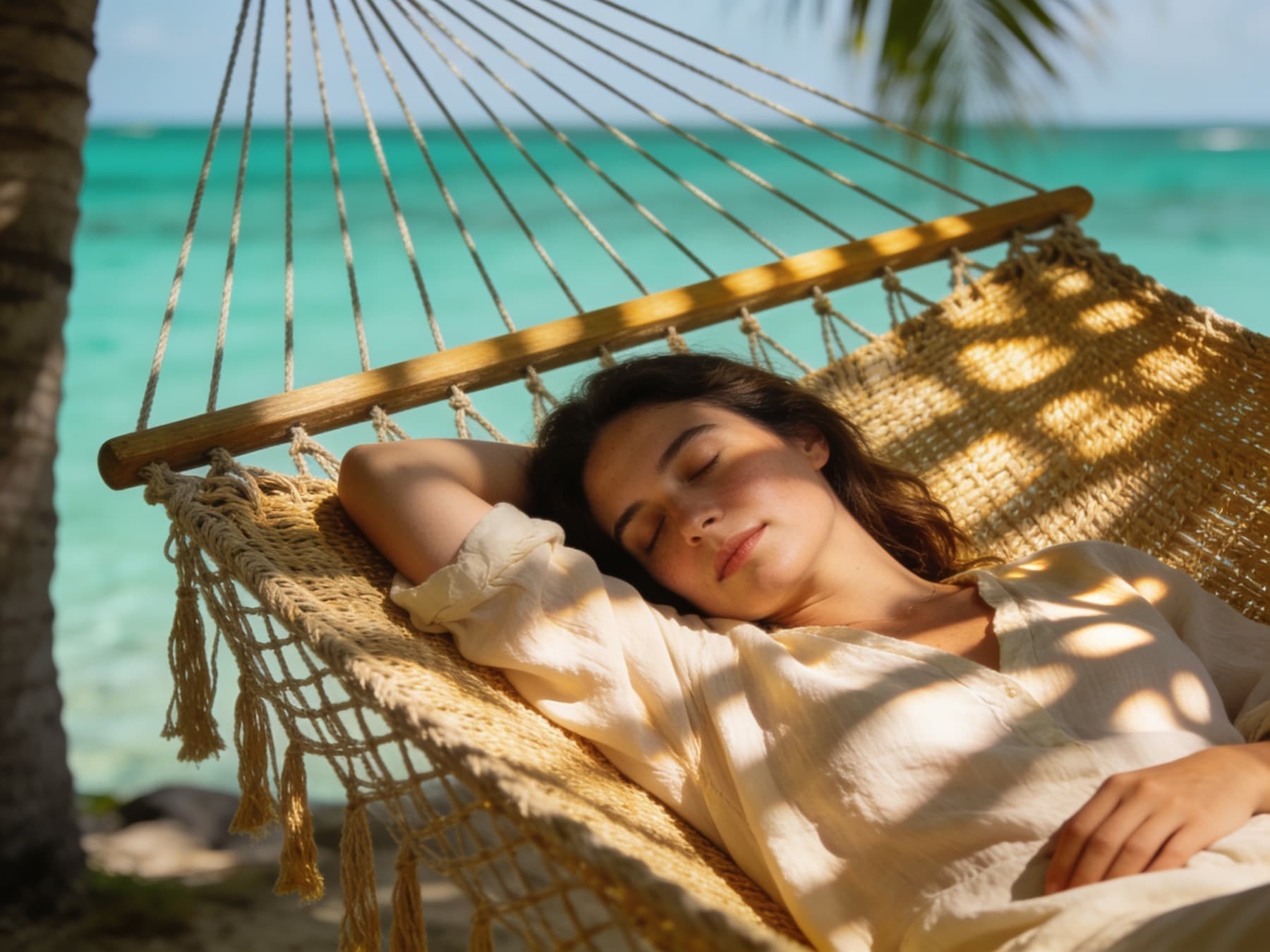
Rest that is planned, not hoped for.
What a burnout recovery retreat on Jamaica's north coast can offer, who it suits, and how to tell whether the timing is right.
Burnout is more than tiredness.
The World Health Organization describes burnout as an occupational phenomenon rather than a medical condition: the result of chronic workplace stress that has not been successfully managed. It tends to show up as exhaustion, a growing mental distance from work, and a sense that effort no longer produces results.
A weekend off rarely touches that pattern. Sleep stays shallow, the phone keeps pulling, and the first Monday back undoes the rest. A retreat is useful when it does three things a holiday does not: it assesses what is driving the exhaustion, it protects real recovery time, and it sends you home with routines that hold.
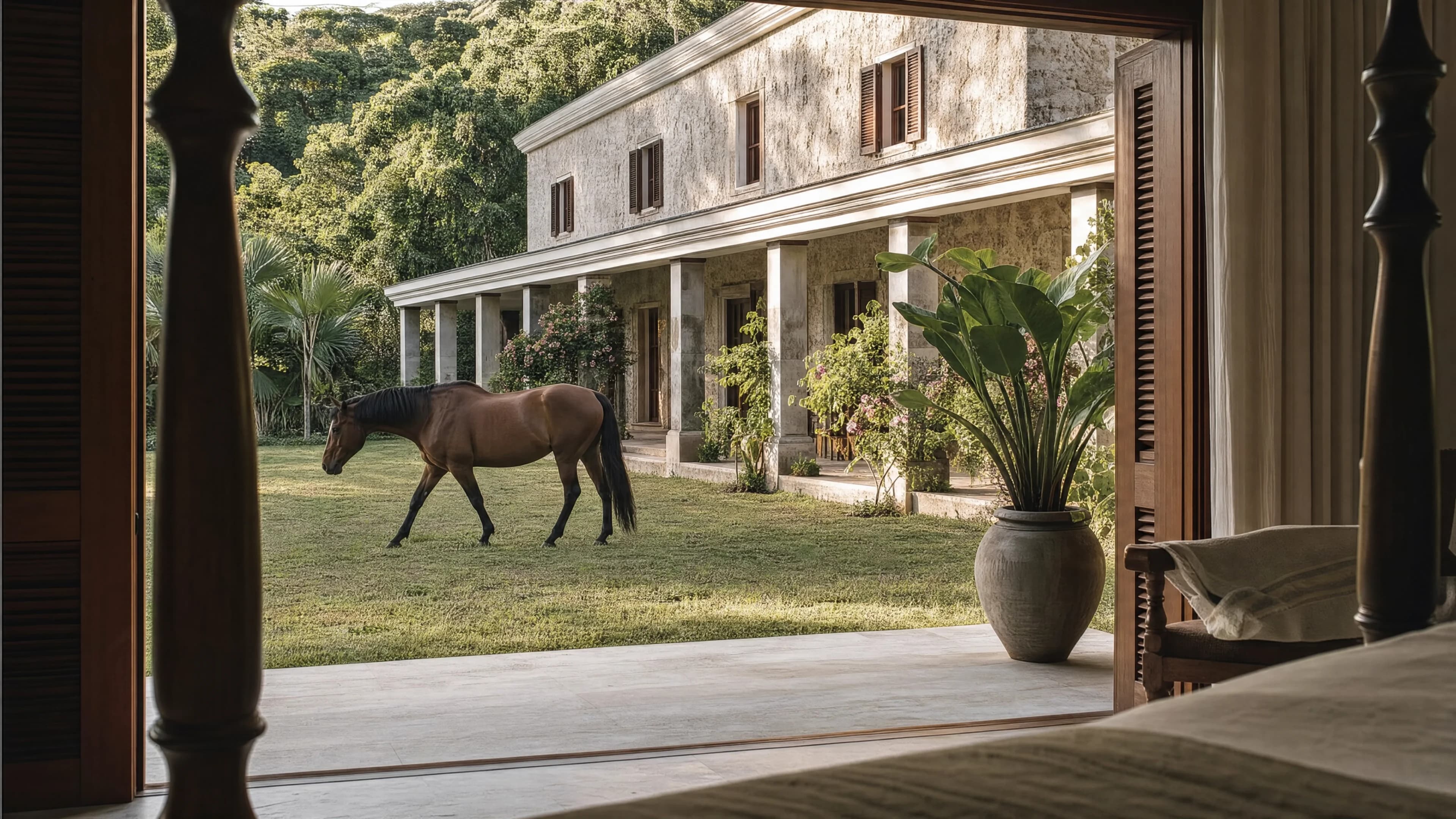
How a stay in Sandy Bay is paced.
Every SANTVLANA stay begins with a private intake that maps your stress patterns, sleep, health history and the demands waiting for you at home. The Burnout Recovery program usually runs seven to fourteen days, and the balance of rest and guided sessions is agreed with you and written into your proposal.
The pace is deliberately unhurried. Early days protect sleep and agree device boundaries. The middle of the stay introduces guided work with horses, time in the sea and gardens, mindfulness and nutrition planning. The final days turn what helped into a plan for work and family life.
- Clinical screening and intake before anything is scheduled
- A device-boundary plan you set with the team
- Sleep rhythm, nutrition and energy-pacing support
- Ground-based equine-assisted coaching, with no riding required
- A written return-home plan and continuation support
Why Jamaica's north coast helps.
Distance matters. A setting that is clearly not the office makes it easier to stop performing. Sandy Bay sits on the north coast of Jamaica, a short transfer from Sangster International Airport in Montego Bay, with direct flights from many North American and UK cities.
Our partner CHUKKA Caribbean Adventures provides access to the land and sea, horse care and safety systems, and JUTA handles airport transfers. That means the logistics are quietly taken care of, which is part of the point when you arrive depleted.
When a retreat is the right step, and when it is not.
A burnout retreat suits leaders, professionals and carers who are running on empty but are medically stable and ready to step away for a week or two. It is not a substitute for urgent mental-health care. If you are in crisis or thinking about harming yourself, contact local emergency services first; intake also screens for needs a retreat cannot safely meet.
If the timing is not right yet, that is useful to know. The planning conversation comes before any commitment, and the team can suggest what to put in place first.
Where to go next.
Read the program detail, plan the practicalities, or ask us directly.
Common questions.
How long should a burnout retreat be?
The Burnout Recovery program usually runs seven to fourteen days. Your exact length is set at intake around your goals, health and travel plans.
Will I have to give up my phone?
Not entirely, unless you want to. You agree a device-boundary plan with the team at the start of your stay, so there is protected time for rest without leaving essential contacts unreachable.
Is a burnout retreat a medical treatment?
SANTVLANA is a medical wellness retreat, not a hospital. Clinical input is planned at intake and delivered within each professional's licensed scope. A retreat complements, and never replaces, urgent medical or psychiatric care.
How much does a burnout retreat in Jamaica cost?
Pricing is shared in a private proposal after a planning conversation, because each stay is built around your program, length and accommodation.
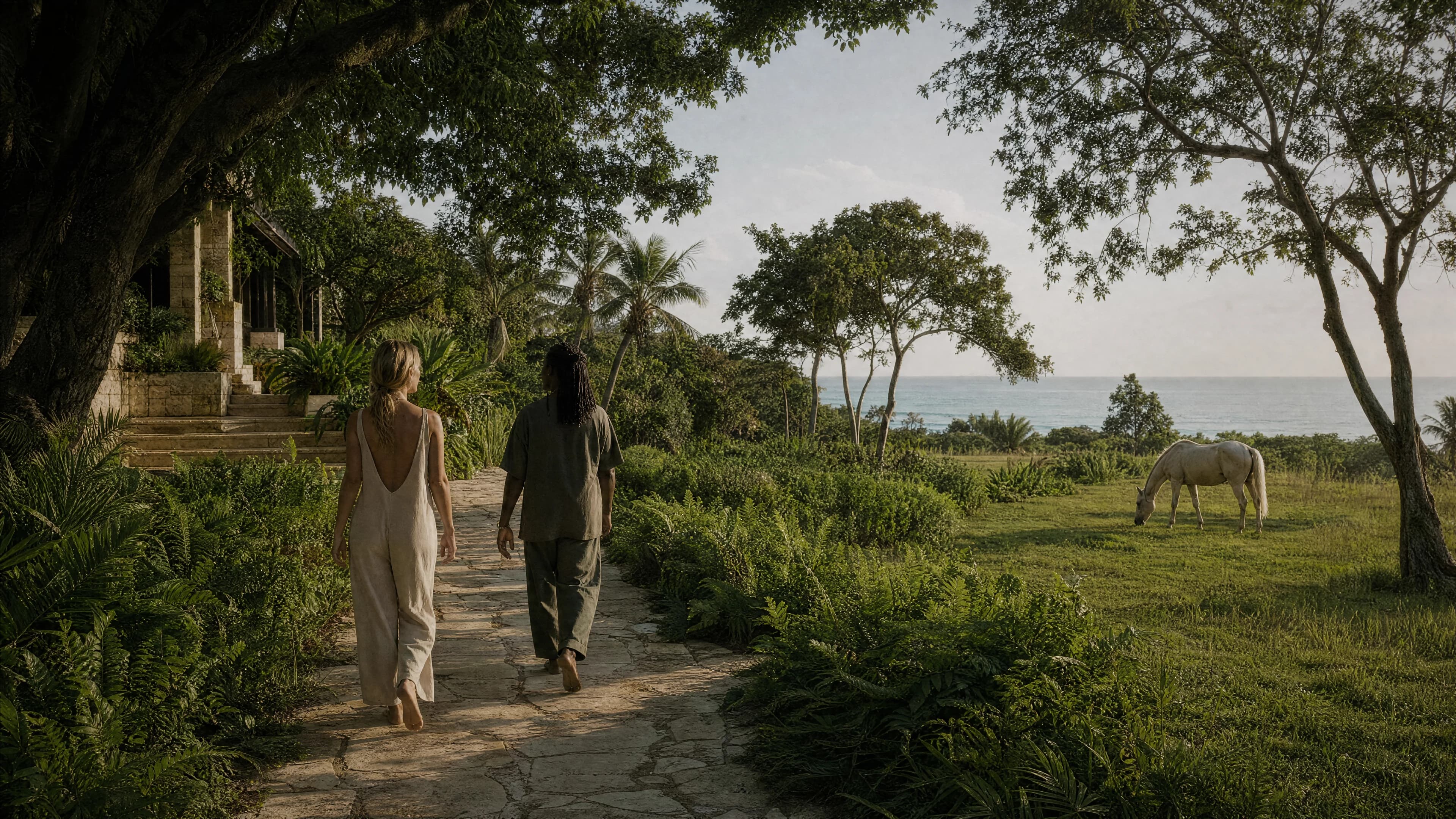
Start with a planning conversation.
Tell us what has been draining you and when you could step away. We reply with a conversation, then a written proposal.